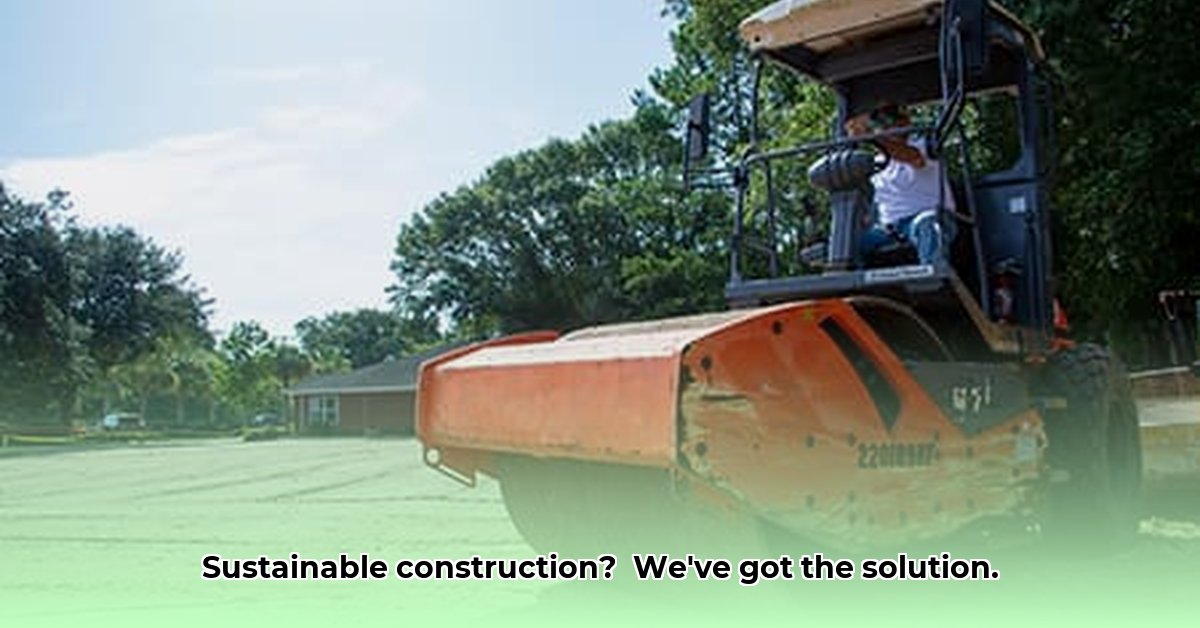
Palmetto Tractor Services (PTS) offers a comprehensive, "turnkey" approach to site development, handling everything from land clearing to final grading. But beyond efficiency, lies a significant opportunity: becoming a leader in sustainable construction practices. This case study explores how PTS can integrate eco-friendly methods, enhancing profitability and environmental responsibility. While detailed data on current practices is currently unavailable, PTS’s inherent operational efficiency suggests a strong foundation for sustainable growth.
Palmetto Tractor Services: A Foundation for Green Construction
PTS's streamlined, turnkey approach already minimizes wasted effort and resources. This inherent efficiency is a significant advantage in building a sustainable business model. By systematically integrating environmentally conscious practices, PTS can significantly reduce its environmental footprint and gain a competitive edge.
The Growing Demand for Sustainable Construction
The construction industry is under increasing pressure to adopt sustainable practices. Decreasing waste, optimizing energy use, and responsible resource management are no longer optional; they are essential for long-term viability and social responsibility. While PTS's current sustainability efforts are not explicitly detailed, the company's inherent operational efficiency offers a strong base for incorporating sustainable building methods. This presents an opportunity for significant market differentiation and increased profitability. How can PTS capitalize on this potential?
Brittany Strickland: A Catalyst for Change
Brittany Strickland's role at PTS is key. Her focus on building strong client relationships reflects a company culture open to collaboration and innovation. This collaborative spirit positions PTS ideal for forming partnerships with suppliers offering sustainable materials, significantly impacting their environmental performance. Her leadership is crucial in driving this transition.
A Strategic Roadmap for Sustainable Growth: Actionable Steps
To fully embrace sustainable construction, PTS needs a strategic, phased approach.
Short-Term Goals (Within One Year):
- Comprehensive Sustainability Audit: A thorough assessment of current environmental impacts is the first crucial step. This audit will identify areas for immediate improvement, establishing a baseline for future measurement.
- Define Measurable Targets: Setting specific, achievable goals (e.g., reducing waste by 15%, decreasing fuel consumption by 10%) ensures progress is tracked effectively.
- Partner with Eco-Friendly Suppliers: Forming strategic alliances with suppliers of sustainable materials is essential for minimizing the environmental footprint of each project.
Long-Term Goals (3-5 Years):
- Industry Certifications: Pursuing certifications such as LEED (Leadership in Energy and Environmental Design) demonstrates commitment to best practices and enhances credibility.
- Comprehensive ESG (Environmental, Social, and Governance) Strategy: A well-defined ESG strategy will guide long-term sustainability efforts and attract socially responsible investors.
- Invest in Employee Training: Equipping employees with the knowledge and skills needed to implement sustainable practices is vital for long-term success. This ensures buy-in and effective implementation.
Stakeholders and Benefits: A Collaborative Approach
Adopting sustainable practices benefits all stakeholders.
| Stakeholder | Short-Term Benefits | Long-Term Benefits |
|---|---|---|
| Palmetto Tractor Services | Improved efficiency, reduced operational costs | Enhanced reputation, access to green financing, increased investor appeal |
| Clients | Eco-friendly projects, reduced environmental impact | Association with a responsible, sustainable business partner |
| Community | Reduced construction-related disruption, environmental protection | Improved community standing, increased trust |
| Investors/Lenders | Lower risk profile, potentially higher returns | Alignment with growing ESG investment trends |
Mitigating Risks: A Proactive Approach
Potential challenges need to be proactively addressed.
| Risk Factor | Likelihood | Impact | Mitigation Strategy |
|---|---|---|---|
| Lack of baseline data | High | Moderate | Complete a comprehensive audit, establish key performance indicators (KPIs) |
| Increased Competition | Moderate | Moderate | Develop a unique brand identity emphasizing sustainability and efficiency |
| Regulatory Changes | Moderate | High | Continuously monitor regulations, adapt to evolving requirements |
| Sourcing Sustainable Materials | Moderate | Moderate | Diversify suppliers, secure long-term supply agreements |
Conclusion: Building a Sustainable Future
PTS has the potential to become a leader in sustainable site development. Their efficient operational model provides a foundation for integrating environmentally conscious practices – resulting in mutually beneficial outcomes, both environmentally and economically. The time for action is now. A comprehensive sustainability audit and the establishment of clear, measurable goals are critical first steps.